
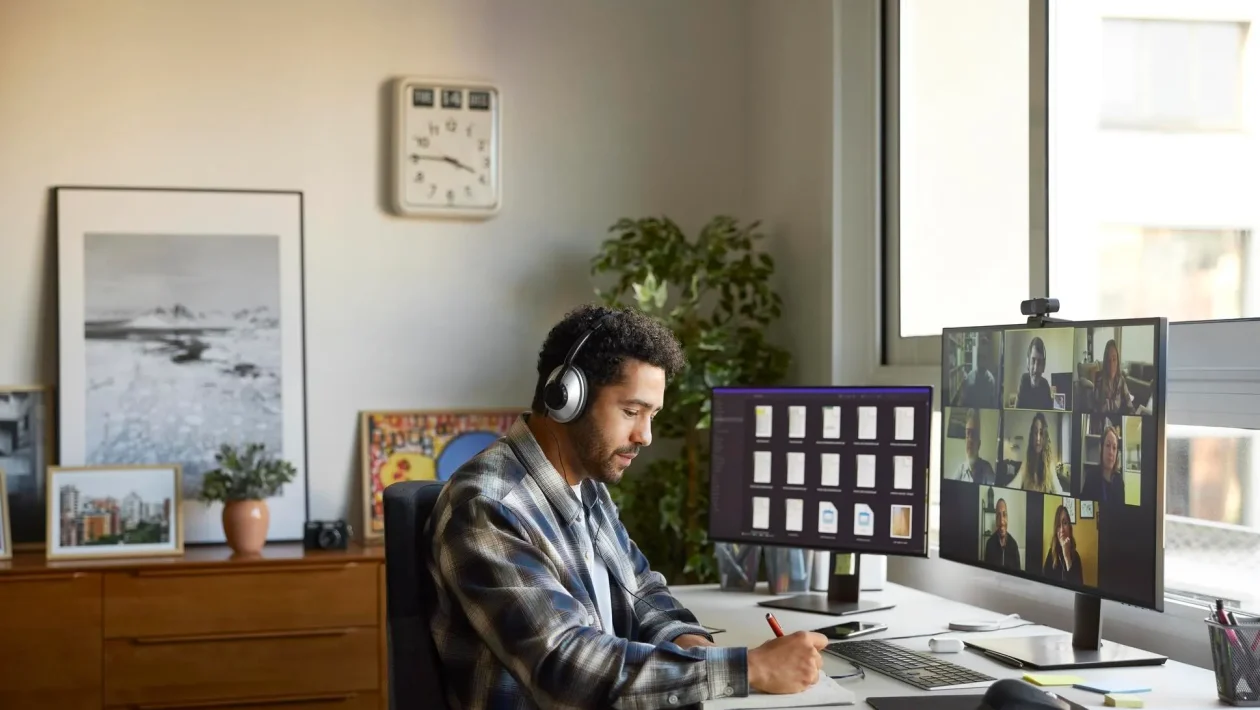
Remote work has become a cornerstone of modern business, offering flexibility and freedom. But with it comes the temptation for employers to use technology to keep tabs on their teams. When I started working remotely as a freelance writer, a client’s insistence on tracking my every keystroke felt like a digital leash, stifling my creativity. Tools like Controlio, listed among a few examples of employee monitoring software, can be useful for productivity insights, but using the Controlio app to spy on workers often backfires. In 2025, as remote work thrives, here’s why invasive surveillance is a bad move, with lessons from my own experience and research-backed insights.
It Kills Trust and Morale
Trust is the glue that holds remote teams together. When my client installed monitoring software without telling me, it felt like a betrayal. I spent more time worrying about being watched than focusing on my work. A 2024 Forbes study found that 60% of monitored employees report higher stress and lower morale, with 50% more likely to quit.
Spying signals distrust, pushing workers to disengage. Instead of fostering accountability, it creates a culture of fear. My productivity dipped because I felt like I was performing for the software, not the project. Employers who prioritize trust over surveillance, using tools like Controlio transparently, see 30% higher engagement, according to a 2025 Gartner report.
It Stifles Productivity and Creativity
Remote work thrives on autonomy, but bossware—like keystroke loggers or webcam trackers—crushes it. When I knew my screen was being captured, I stuck to “safe” tasks to avoid looking idle, even if it meant skipping creative brainstorming. A 2022 University of Wyoming study shows monitored workers often reduce effort or game the system, like using mouse jigglers, which hurts output.
Behavioral economics research highlights that surveillance crowds out intrinsic motivation. Employees want to do good work, but spying makes them feel like cogs, not contributors. A 2024 ActivTrak report found that excessive monitoring correlates with a 15% drop in creative output. Use monitoring tools to optimize workflows, not to police every click.
It Raises Legal and Ethical Red Flags
Invasive monitoring can land employers in hot water. In 2025, laws like the EU AI Act and California’s CCPA require clear consent and transparency for tracking. My client’s covert software use violated my trust and could’ve breached privacy laws if I’d pushed back. A 2024 Comparitech guide notes that 14% of remote workers are unaware they’re being monitored, risking legal action.
Ethically, spying erodes fairness. Tools capturing personal data—like emails or webcam footage—cross a line. A 2022 EFF report warns that software like StaffCop can activate webcams secretly, a clear privacy violation. Employers should limit tracking to work-related activities and inform teams upfront to stay compliant and ethical.
It Damages Workplace Culture
A workplace built on surveillance feels like a digital prison. I left that client because constant monitoring made me feel undervalued, and I wasn’t alone—my peers shared similar stories on forums. A 2022 BBC report notes that pervasive monitoring creates a “culture of mistrust,” making collaboration harder.
When employees feel watched, they’re less likely to share ideas or take risks. My friend, a remote designer, stopped suggesting bold ideas after her manager questioned her “inactive” time. A 2025 PwC study shows that mistrust from surveillance increases turnover by 20%. Build a culture of openness with regular check-ins and clear goals, not sneaky software.
There’s a Better Way: Trust and Transparency
Smart employers use technology to empower, not spy. When I joined a team that used monitoring tools transparently, sharing data to improve workflows, I felt valued. We used insights to balance workloads, not to punish. A 2024 Microsoft study on tools like Viva shows that sharing productivity data with employees, not just managers, boosts performance by 10%.
Set clear monitoring policies, limit data collection to work tasks, and involve your team in decisions. Tools like Controlio can track project progress without invading privacy, fostering trust. A 2025 Gallup study found that transparent workplaces see 25% higher retention. Trust your team, and they’ll reward you with loyalty and results.
Final Note: Choose Empowerment Over Espionage
In 2025, remote work is about flexibility and trust, not digital handcuffs. My freelancing days taught me that tools like the Controlio App can enhance productivity when used thoughtfully, but spying poisons morale, creativity, and culture. Prioritize transparency, set clear expectations, and use technology to support, not suspect, your team. Want a thriving remote workforce? Ditch the bossware and build a workplace where trust drives success. Ready to make the shift? Start today and watch your team shine!